


Jet lag is not simply the tired feeling after a long flight. It happens when the body reaches a new destination, but its internal clock is still following another time zone. That mismatch can affect sleep, alertness, digestion, mood, energy, and overall comfort during the first part of the trip.
For travellers flying from Qatar to destinations with a major time difference, reducing jet lag is not about one quick trick. It is about planning the journey in the right order, starting before the travel date and continuing through the flight, arrival day, first night, and next morning.
The aim is not to remove every sign of tiredness. The real goal is to help the body adjust faster, so the first days of travel feel smoother and more enjoyable.
Understand Whether the Trip Moves the Body Earlier or Later
Jet lag is not the same in every direction. Eastward and westward travel affect the body differently.
Two to three days before departure, it helps to gently move sleep closer to the destination schedule. For eastward travel, sleeping and waking a little earlier may help. For westward travel, sleeping and waking a little later may be more suitable. The adjustment does not need to be extreme. Even a small shift can make the destination schedule feel less sudden.
The final night before travel is especially important. Many travellers lose sleep before a trip because of packing, unfinished work, shopping, document checks, or last-minute arrangements. That creates sleep debt before the time-zone change even begins. Once sleep debt and jet lag combine, the first day becomes much heavier.
A better approach is to finish packing earlier, keep travel documents ready, confirm airport transfer timing, prepare essential items, and avoid turning the night before departure into a stressful rush. Good travel preparation is not only about luggage. It is also about helping the body start the journey in a better condition.
This is why one jet lag routine should not be repeated for every destination. A trip from Qatar to Japan, a trip to London, and a trip to the United States may each need a different rhythm, even when all of them involve long travel.
Choose the Flight That Supports Arrival Comfort
A flight can look convenient online but still create a difficult arrival. Price, baggage allowance, airline, total duration, and transit time matter, but arrival time can make a major difference in how jet lag feels.
A morning arrival can work well when the traveller sleeps properly during the flight and can stay awake until local evening. It gives the body a full day to follow the destination schedule. But after poor sleep, a long layover, or an uncomfortable overnight journey, a morning landing can feel heavy, especially for families, older travellers, and those who do not sleep easily on flights.
An evening arrival can sometimes be smoother. It allows the traveller to reach the hotel, have a light meal, prepare for bed, and sleep close to the destination’s normal bedtime. This can suit honeymoon trips, family holidays, and relaxed itineraries where the first goal is to settle comfortably.
Transit comfort should also be considered. A very long layover can break sleep and increase fatigue, while a very tight connection can add stress before the trip properly begins. The better flight is not always the shortest one. It is the flight that gives the traveller the best chance of landing, settling, and sleeping at the right time.
When an important plan is scheduled soon after arrival, the flight timing should be chosen more carefully. If the schedule allows, arriving earlier by even one night can help the traveller begin the main part of the trip with better energy.
Shape Your In-Flight Routine Around Arrival
The flight should not be handled separately from the jet lag plan. It is where the adjustment begins.
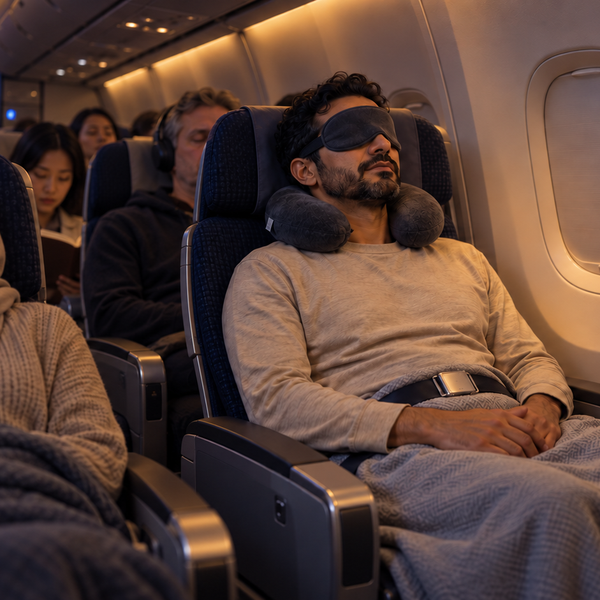
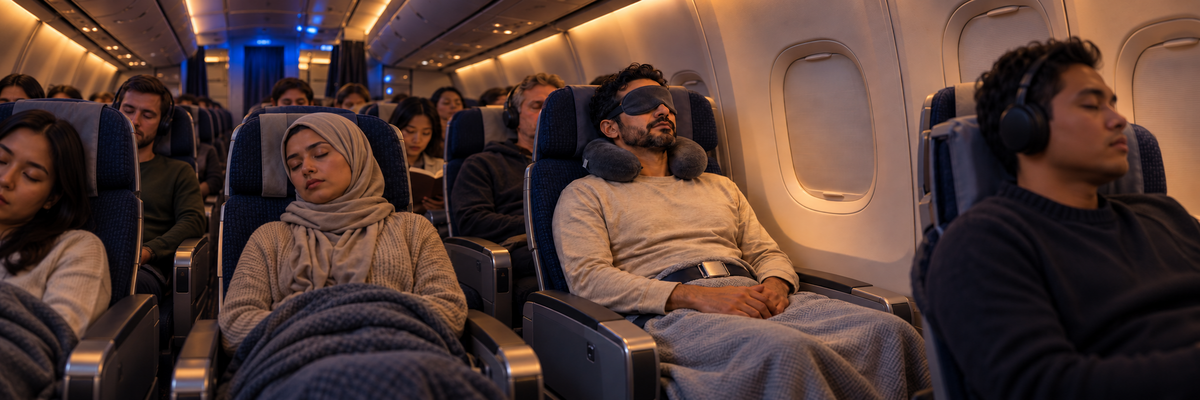
Once the journey starts, switch the phone or watch to the destination time. This helps guide when to sleep, when to stay awake, when to eat lightly, and when to stop caffeine. If it is night at the destination, that part of the flight should be treated as a sleep window. If it is daytime at the destination, staying awake for part of the journey may help the body adjust after landing.
The biggest mistake during the flight is random behaviour. Sleeping only because the cabin lights are dim, eating every meal because it is served, drinking coffee whenever tired, and landing with no rhythm can make adjustment harder.
A smoother flight rhythm is simple. Sleep when it supports the destination night. Stay awake when it supports the destination day. Keep meals lighter if the body feels uncomfortable. Drink water regularly. Avoid caffeine close to the destination’s bedtime.
Hydration also matters during long flights. Dehydration can make jet lag symptoms feel worse, while alcohol and too much caffeine can affect hydration and sleep quality.
Make Arrival Day Light, Structured, and Comfortable
Arrival day should have rhythm, but not pressure. It is the day that helps the body understand the new time zone, so it should be planned carefully instead of being overloaded or left completely unstructured.
A strong arrival day usually includes a smooth airport transfer, hotel check-in or luggage support where possible, light movement, simple meals, suitable daylight, and sleep close to the local bedtime. These details may seem small, but together they help the body settle into the destination’s schedule.
The main mistake is trying to do too much too soon. Long sightseeing plans, heavy meals, late caffeine, bright screens at night, and no clear evening routine can make the second day harder. A long daytime nap can also delay night-time sleep and keep the body closer to the previous time zone.
A short nap can help after a tiring flight, especially after a morning or afternoon arrival, but it should be controlled. The aim is to restore enough energy to continue the day, not to replace the night’s sleep.
For travellers who struggle with this, setting an alarm, keeping the room slightly bright, and avoiding a full bedtime setup can help prevent the nap from becoming too long.
For families, arrival day should be predictable and calm. For couples, it should feel relaxed and enjoyable. For business travellers, it should protect focus. For groups, it should give everyone enough time to settle before the main itinerary begins.
Protect the First Night and the Next Morning
The first proper night at the destination is one of the most important parts of reducing jet lag. If that night goes reasonably well, the second day usually feels much better.
The evening should be calm and intentional. Avoid late caffeine, heavy meals, long screen time, and overactive plans when sleep is the priority. Keep the room comfortable, reduce unnecessary light, and allow the body to settle into the destination’s night-time.
The next morning is equally important. Wake close to the local morning time, eat breakfast at a normal local hour, and get suitable daylight. Sleeping deep into the next day may feel tempting, but it can pull the body back toward the old time zone.
Many travellers focus too much on surviving the flight and not enough on protecting the first night and next morning. In reality, this window often decides how quickly the body actually settles.
Be Careful With Melatonin and Sleep Aids
Melatonin is often discussed for jet lag, but it should not be treated as a casual travel shortcut. It is linked to the body’s sleep-wake timing, so timing and suitability matter.
Melatonin may help some travellers sleep at a time when the body would not naturally feel ready, but it is not suitable for everyone. Travellers who are pregnant, travelling with children, taking medication, managing a health condition, or considering sleep aids should seek medical advice first. It can also cause side effects and may interact with some medicines.
For most travellers, melatonin should not be the main strategy. The stronger foundation is flight timing, pre-travel sleep, destination-time planning, light exposure, caffeine control, hydration, lighter meals, and a sensible arrival day.
Plan Better, Adjust Faster
Jet lag is reduced through a sequence of smart travel decisions, not one shortcut. The journey becomes easier when preparation before the travel date, flight timing, in-flight routine, arrival-day pace, first-night sleep, and the next morning all work together.
For travellers from Qatar, this is especially valuable on long-haul holidays, business travel, honeymoon trips, family vacations, and journeys where the first day matters. The smoother the first 24 to 48 hours are planned, the easier it becomes to enjoy the rest of the journey with better energy and comfort.
A well-planned trip does not leave the first day to chance. Fahed Tourism can help arrange the flight schedule, hotel timing, transfers, and arrival-day pace in a way that supports the traveller’s comfort from the beginning, so the journey starts smoothly instead of waiting for jet lag to pass.