


Hotel room names can make a booking feel more straightforward while quietly making it more confusing. Standard feels basic, Superior feels like the smart upgrade, Deluxe sounds premium, and Executive sounds like the final step up. But unless you know what the property is actually changing from one category to the next, those labels can be surprisingly misleading. That matters whether you are planning a staycation in Qatar, a resort stay, or choosing accommodation for an international trip. Across hotels, resorts, and similar stays, these room labels are usually not fixed industry grades. In most cases, they are categories defined by the property itself. The real difference is rarely the word alone. It is what has been upgraded behind the label, whether that is space, view, room finish, amenities, or added privileges.
The biggest mistake many people make is assuming these room names follow one universal system. They usually do not. A hotel may use Superior for a slightly larger room. Another may use Deluxe for a better view. Another may use Executive mainly for lounge access and extra services rather than extra space. That is why the smarter question is not, What does this label usually mean? The smarter question is, What is this property using the label to differentiate? In most cases, the difference comes down to one or more of these: room size, floor level, view, room position, design quality, bathroom standard, in-room amenities, or access to additional benefits.
What a Standard Room Usually Means
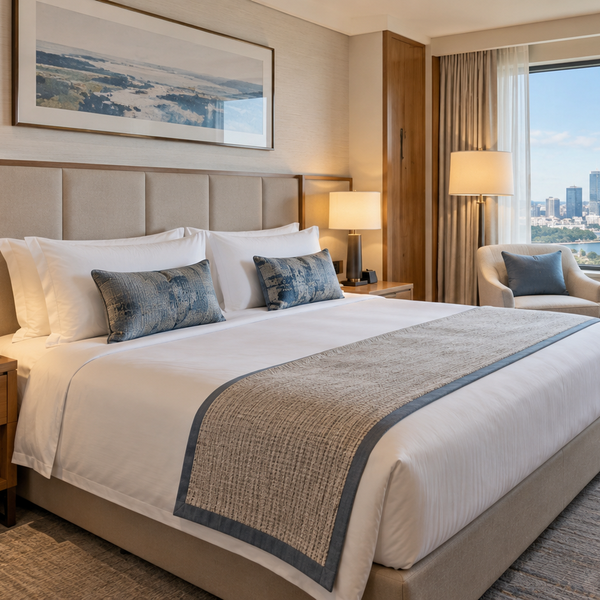
A Standard Room is usually the property’s baseline room category. It is the room used as the starting point before upgrades are added above it. That normally means the regular room size, the core in-room setup, and the most straightforward placement within the property. Standard does not mean poor. It simply means foundational. For many stays, that is already enough. If your priority is a comfortable, functional room without extra features you may not use, the standard category may be the most sensible choice.
What a Superior Room Usually Means
A Superior Room usually signals a modest step above the base category. That upgrade may come through slightly more space, a better room position, a quieter setting, or a more comfortable overall setup. Superior usually means better than standard, but not necessarily dramatically different. Sometimes the improvement is physical, such as room size. Sometimes it is more about the feel of the room, such as better furnishings, a nicer layout, or a more desirable location within the property. That is why Superior should always be understood in relation to the property’s own standard room, not as a fixed level across the industry.
What a Deluxe Room Usually Means
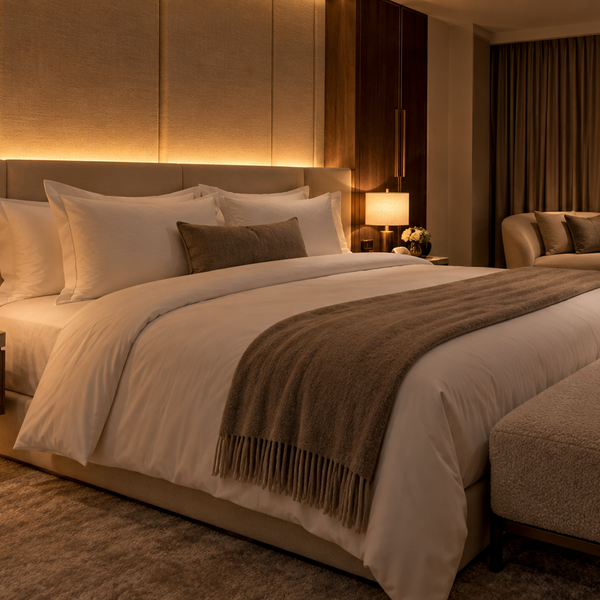
A Deluxe Room usually sounds more premium, but it is one of the least standardised labels in room naming. In many properties, Deluxe means a more elevated version of the core room offering. That may come through more space, a better view, stronger amenities, a more polished interior finish, or a better bathroom setup. In some stays, it may also mean a room that feels more open, more refined, or more appealing overall. The important point is that Deluxe often works as a positioning term more than a technical one. It tells you the room is meant to feel more premium, but it does not tell you by itself how that premium is being delivered. One property may use Deluxe for a meaningful upgrade. Another may use it for a lighter improvement.
What an Executive Room Usually Means
An Executive Room is the category most likely to be tied to privileges, not just to the room itself. In many hotels and resorts, Executive means the booking includes added access or services, such as an executive or club lounge, breakfast in a more private setting, refreshments, business-friendly amenities, or a more service-rich experience overall. That is why an Executive Room is not always the largest room. Its value may come less from extra square metres and more from what is included around the stay. For the right guest, especially someone who values privacy, added convenience, or a more exclusive experience, that can matter more than size alone.
Executive is not always the highest category in a property. Many hotels and resorts place suites or other premium room labels above it. These may include names such as Junior Suite, Executive Suite, Deluxe Suite, Royal Suite, or Presidential Suite.
How to Compare These Room Types Properly
The smartest way to compare room categories is to ignore the label for a moment and compare the actual room details. Look at the room size. Look at the view. Check the floor level if it is mentioned. See whether the bathroom setup changes. Check the included amenities. Look for breakfast, lounge access, or other attached benefits. The label is only the headline. The specification is the real difference. This matters because the right room is not always the one with the most premium-sounding name. It is the one whose actual upgrades are worth paying for in the way you plan to use the stay.