Discover Turkey
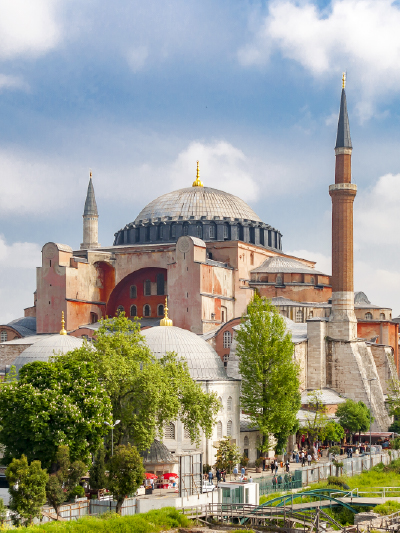
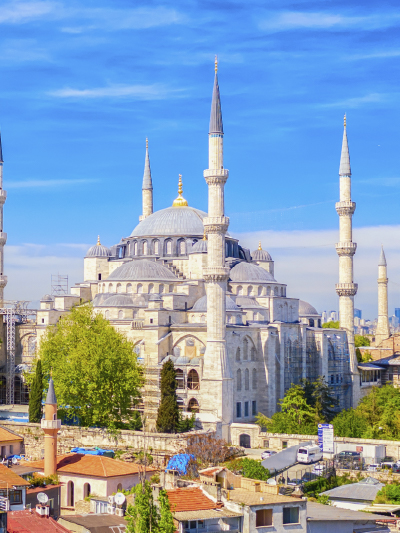
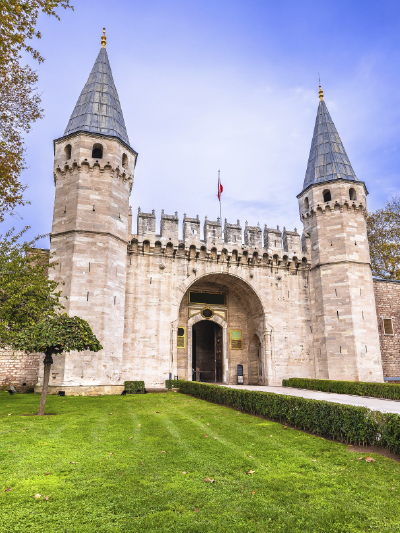
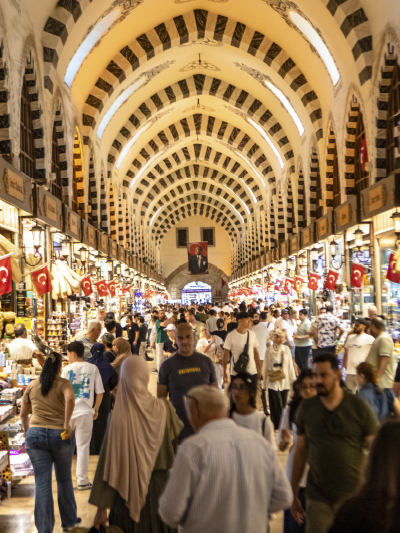
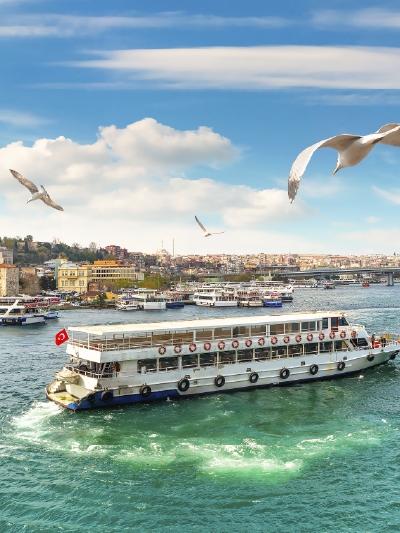
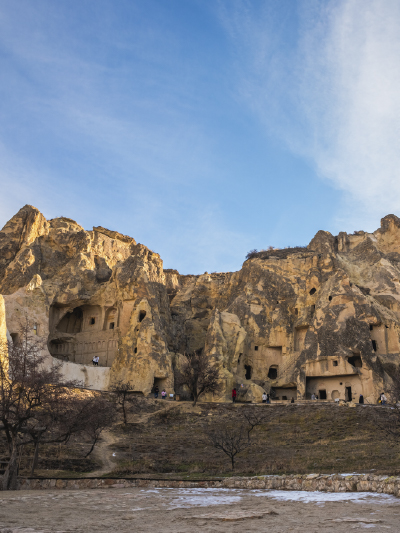
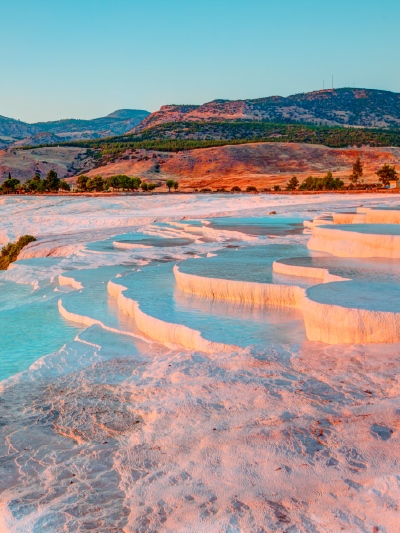
Turkey is a destination of striking contrasts, where grand city skylines, ancient ruins, cave valleys, coastal towns, bazaars, and long cultural traditions all meet within one journey. Istanbul brings domes, ferry crossings, palaces, and markets into daily life, while Cappadocia, Ephesus, Pamukkale, and the coast each add a very different rhythm to the experience.
Its depth comes from centuries of history across Anatolia, shaped by ancient civilisations, Byzantine heritage, Seljuk influence, and the Ottoman world. This makes Turkey feel both historic and alive, with culture seen not only in monuments, but also in food, coffee, neighbourhood life, craftsmanship, and hospitality.
Currency: Turkish lira (TRY)
Capital City: Ankara
Language: Turkish is widely spoken, while English is mainly useful in major tourist areas, hotels, airports, museums, and visitor services.
Time Zone: Turkey Time, UTC+3, same as Qatar
Climate: Mediterranean along much of the coast, more continental inland, with clear regional variation
Best Time to Visit: April to June and September to October for comfortable sightseeing; summer is best for coastal stays
Turkey Climate and Practical Packing
Turkey’s climate changes by region, so the route matters. Istanbul and the coast are generally more comfortable in spring and autumn, while summer is popular for beach destinations such as Antalya, Bodrum, and the Aegean coast. Inland areas such as Cappadocia can have hot days, cooler evenings, and colder winters, so packing should match the itinerary rather than the season alone.
Light layers, comfortable walking shoes, sun protection, and modest clothing for mosque visits are useful for most trips. If Cappadocia or inland regions are included, an extra layer is helpful, especially for early mornings, evening walks, or balloon-viewing experiences.
Flavours of Turkish Hospitality
Turkish food is generous, regional, and closely tied to daily life, with dishes shaped by family traditions, local produce, and the country’s long culinary history.
Kebap: A broad family of grilled meat dishes, with styles changing by region, from Adana kebap to şiş kebap.
Meze: Small shared dishes such as dips, salads, grilled vegetables, and seafood-style starters, often served before a main meal.
Pide: A boat-shaped flatbread topped with ingredients such as cheese, minced meat, vegetables, or egg.
Manti: Small Turkish dumplings, usually served with yoghurt, garlic, butter, and spices.
Baklava: A layered pastry made with thin dough, nuts, and syrup, strongly associated with Turkish dessert culture.
Together, these dishes show how Turkish cuisine brings flavour, sharing, and hospitality into the centre of the travel experience. For halal preferences, Turkey is generally convenient, but ingredients should still be checked when needed, especially in mixed dining settings.
Getting Around Turkey
Turkey is large, so multi-stop trips need careful routing. Istanbul is usually easiest with metro, tram, Marmaray, ferry, and taxis, while domestic flights are often the most practical choice for longer routes such as Istanbul to Cappadocia, Antalya, or Izmir.
High-speed rail works well on selected routes such as Istanbul, Ankara, and Konya, while intercity buses also connect many regions. For a smoother trip, it is better to plan overnights by region instead of trying to cover too many major places in a short time.
Turkey Experiences Across History, Landscapes, and Coastlines
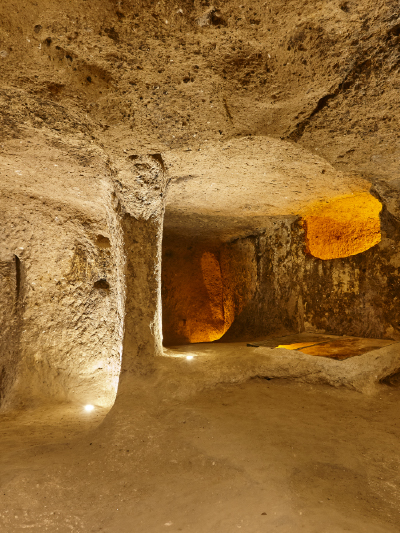
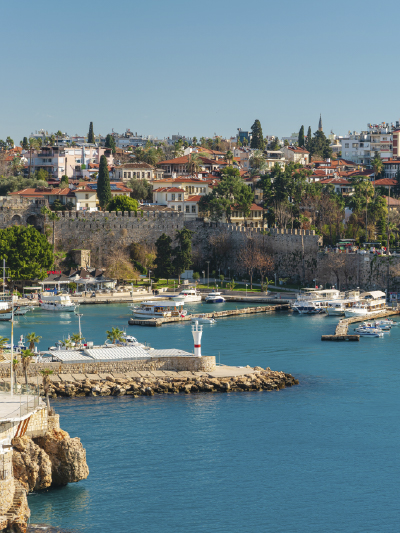
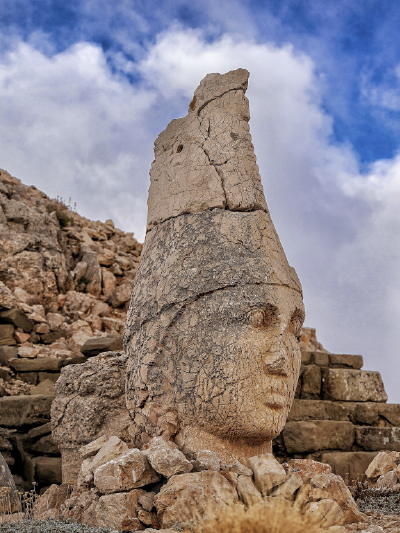
Turkey works beautifully for travellers who want variety without losing cultural depth. A journey can begin with Istanbul’s imperial landmarks, continue to the valleys and cave towns of Cappadocia, move through the ancient marble streets of Ephesus, and then shift toward Pamukkale’s white terraces or the blue waters of the coast.
The destination suits travellers who enjoy history, architecture, shopping, spiritual heritage, scenic landscapes, food, and coastal relaxation. With the right pacing, Turkey feels rich and balanced rather than rushed.