Discover Kazakhstan
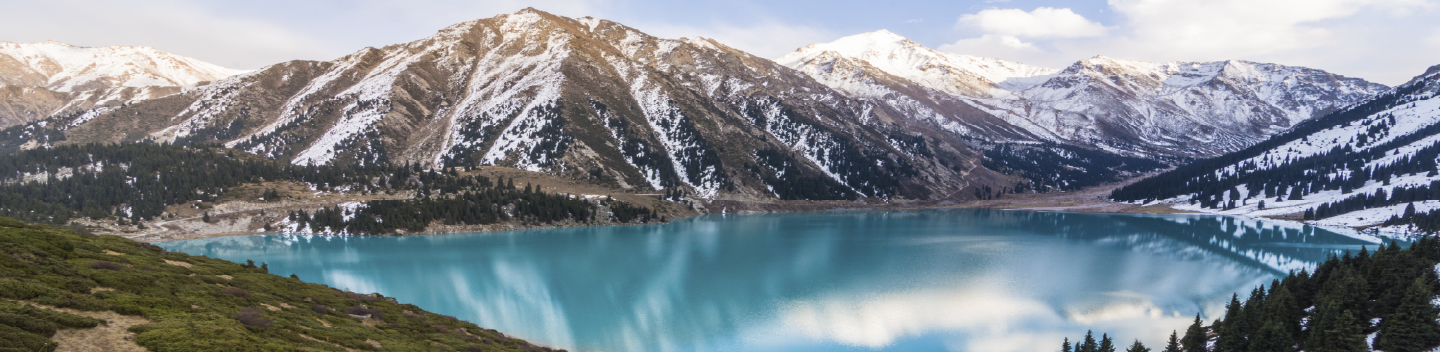
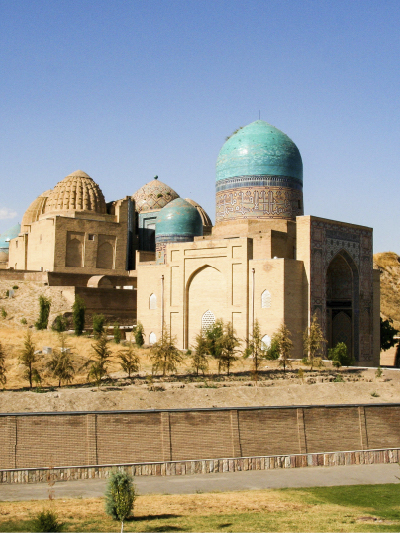
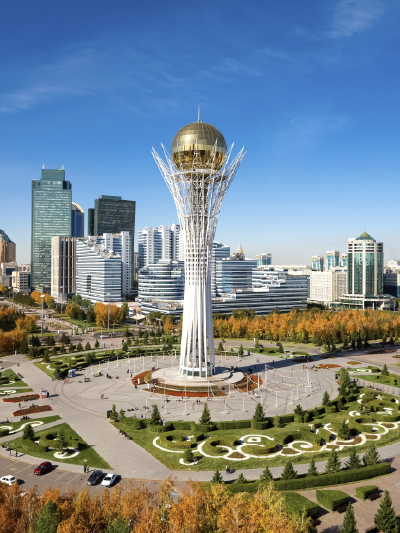
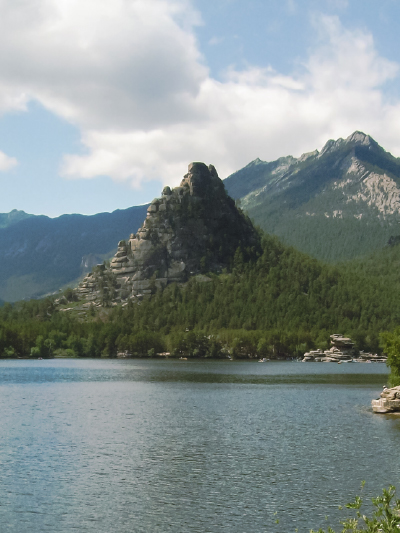
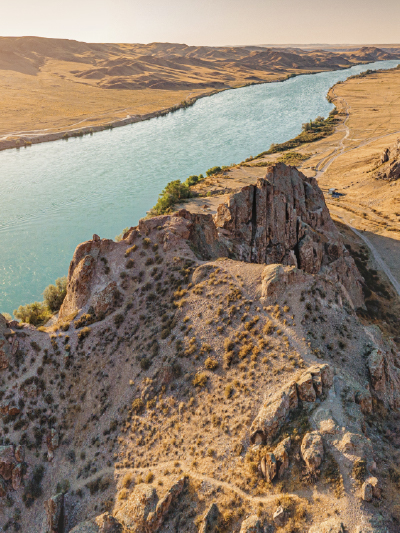
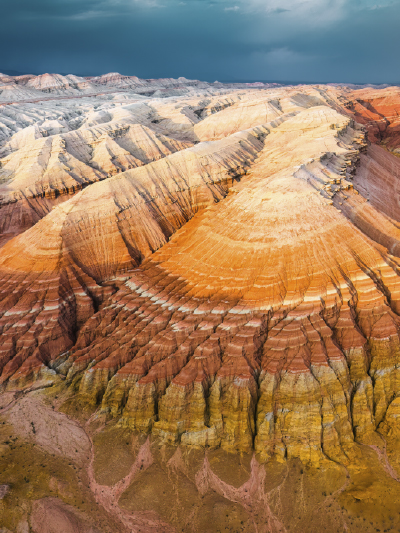
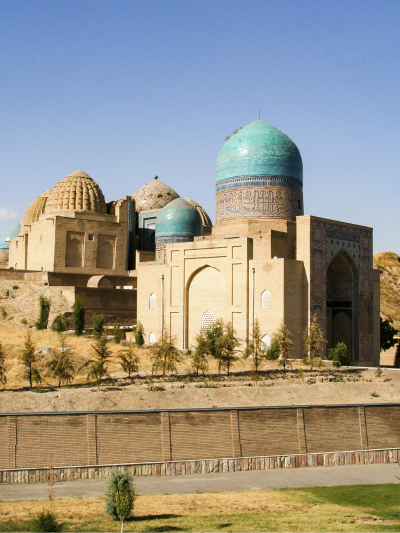
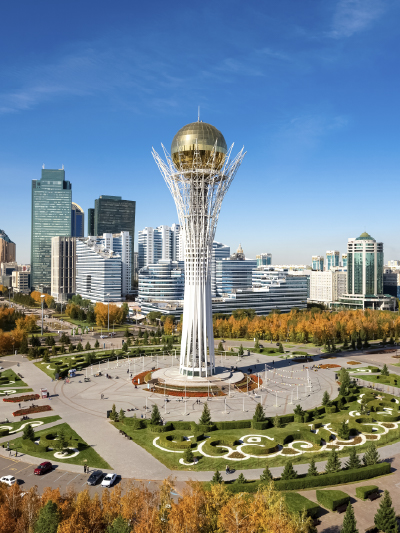
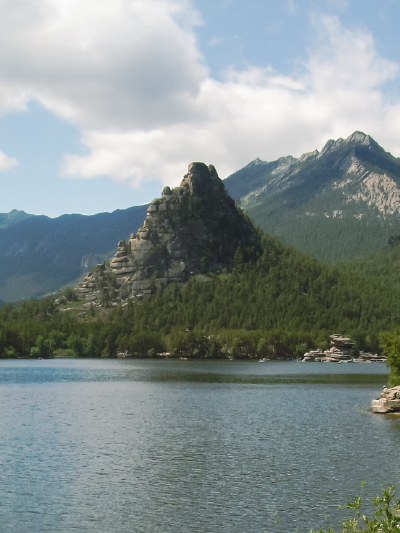
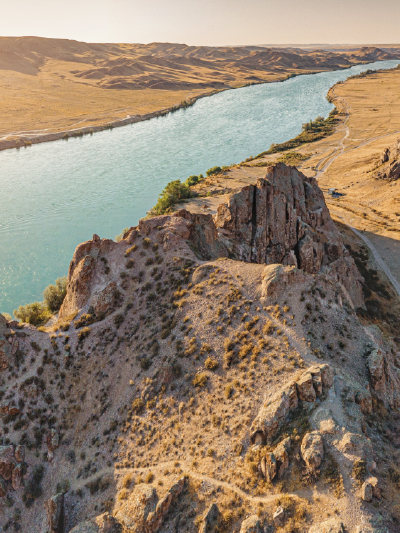
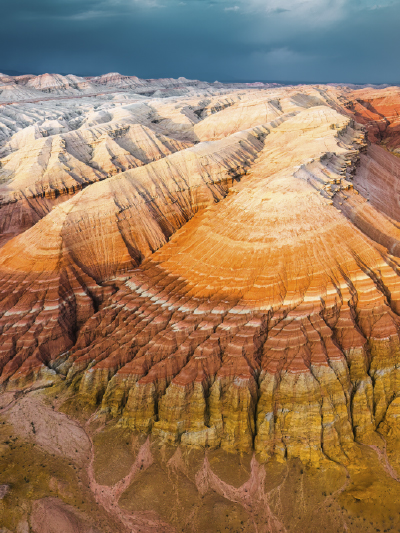
Kazakhstan stands out for its sense of scale. Wide steppe landscapes, snowy ridges, alpine lakes, desert canyons, and the modern skyline of Astana give the country a rare mix of calm and contrast. Around Almaty, nature feels close and dramatic, while places such as Turkistan reflect the country’s Silk Road heritage and deep cultural memory. Shaped by nomadic traditions, hospitality, horsemanship, and long-distance movement, Kazakhstan offers a journey that feels spacious, cultural, and refreshingly different.
Currency: Kazakhstani tenge (KZT)
Capital City: Astana
Language: Kazakh is the state language, Russian is widely used in daily life, and English is mainly helpful in major cities, hotels, airports, and tourism services.
Time Zone: UTC+5, 2 hours ahead of Qatar
Climate: Continental, with hot summers, very cold winters, and shorter spring and autumn seasons
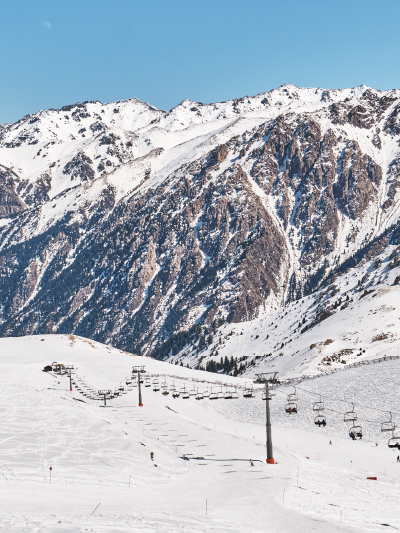
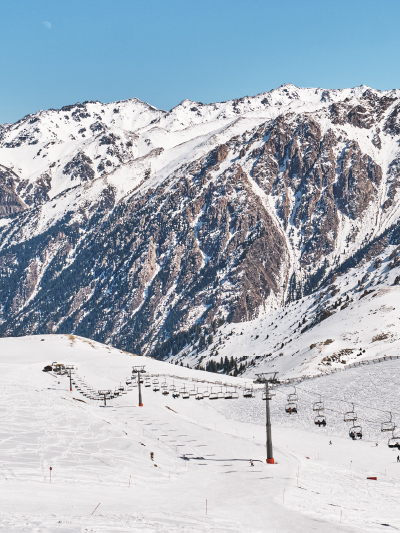
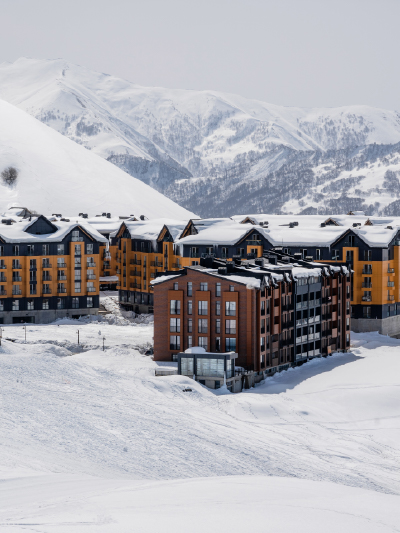
Best Time to Visit: May to June and September to early October for milder sightseeing; winter for skiing around Almaty
Kazakhstan Climate and Practical Packing
Kazakhstan has a continental climate, so weather can change strongly by season and region. May, June, September, and early October are usually more comfortable for city visits, nature trips, and road journeys, while summer works well for mountain lakes and outdoor scenery. Winter is best suited for snow-based travel, especially around Almaty.
Layered clothing is important. Comfortable walking shoes, sun protection, and a light jacket are useful for most trips, especially when mountain stops are included. For winter travel, proper cold-weather clothing is essential, as temperatures can become very low.
Flavours of the Kazakh Steppe
Kazakh food is hearty, generous, and closely connected to nomadic life, with many dishes built around meat, bread, dairy, and warm hospitality.
Beshbarmak: One of Kazakhstan’s most important traditional dishes, usually made with boiled meat, flat noodles, onions, and broth.
Qazy: A traditional horse meat sausage, often served sliced on festive or special tables.
Kuyrdak: A rich fried dish commonly made with meat or offal, onions, and potatoes.
Baursak: Soft fried bread often served with tea, meals, and family gatherings.
Kurt: A traditional dried dairy snack with a salty, tangy taste, reflecting the country’s nomadic food culture.
Together, these dishes show how Kazakh cuisine is shaped by the steppe, practical preparation, and the tradition of welcoming guests. For dietary preferences, ingredients and meat types should be checked in advance.
Getting Around Kazakhstan
Getting around Kazakhstan requires more planning than many compact destinations because the country is vast. Within Astana and Almaty, taxis, ride-hailing services, buses, and local transfers are practical, while Almaty also has a metro. For longer distances, domestic flights or trains are usually better than road travel.
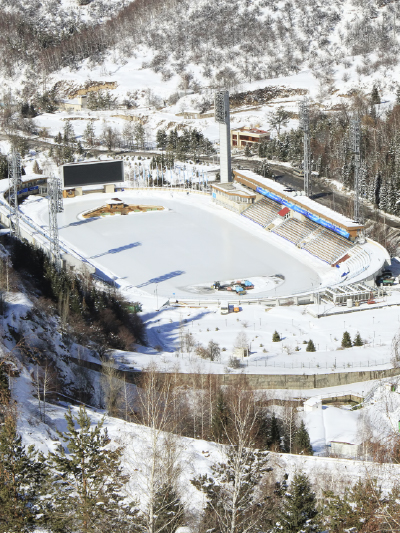
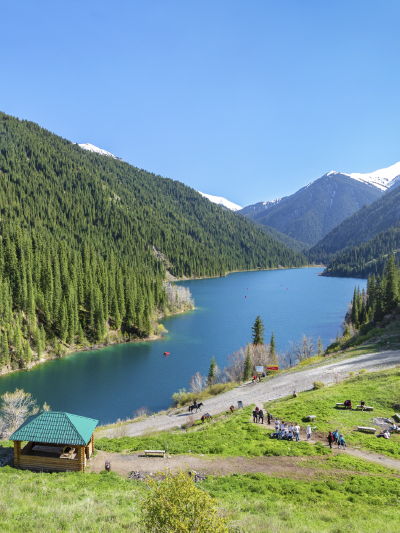
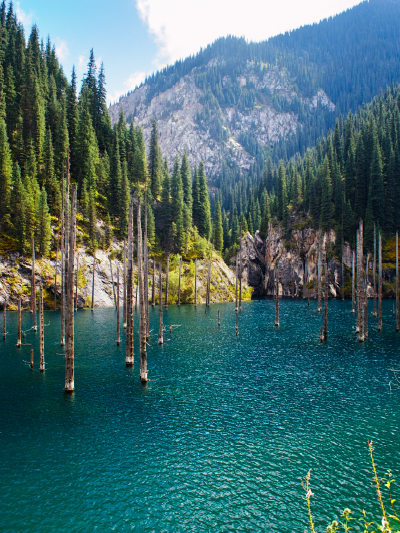
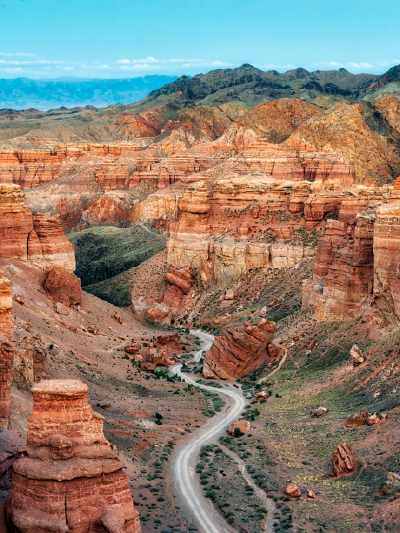
Natural sights near Almaty, such as Charyn Canyon, Kolsai Lakes, Kaindy Lake, and Shymbulak, are often easier with a private transfer or guided day trip. Routes can be long, and weather or road conditions may affect timing, so flexible planning makes the journey smoother.
Kazakhstan Experiences Across Nature and Heritage
Kazakhstan is best experienced through its contrasts. A journey may begin in Almaty with mountain views, continue to the carved cliffs of Charyn Canyon, move through the lake scenery of Kolsai and Kaindy, and then shift toward the futuristic architecture of Astana or the spiritual heritage of Turkistan.
The country suits travellers who enjoy open landscapes, photography, winter sports, sacred sites, Silk Road history, and journeys that do not feel crowded or rushed. With the right routing, Kazakhstan can feel both adventurous and calm, offering space to explore nature and culture in one memorable trip.